06 · SURFACE PREPARATION · MELBOURNE
Surface preparation before tiling and flooring
The finish is only as good as what’s underneath it. Before any tile or floor goes down, we check the wall or floor, repair what needs repairing and bring it level.
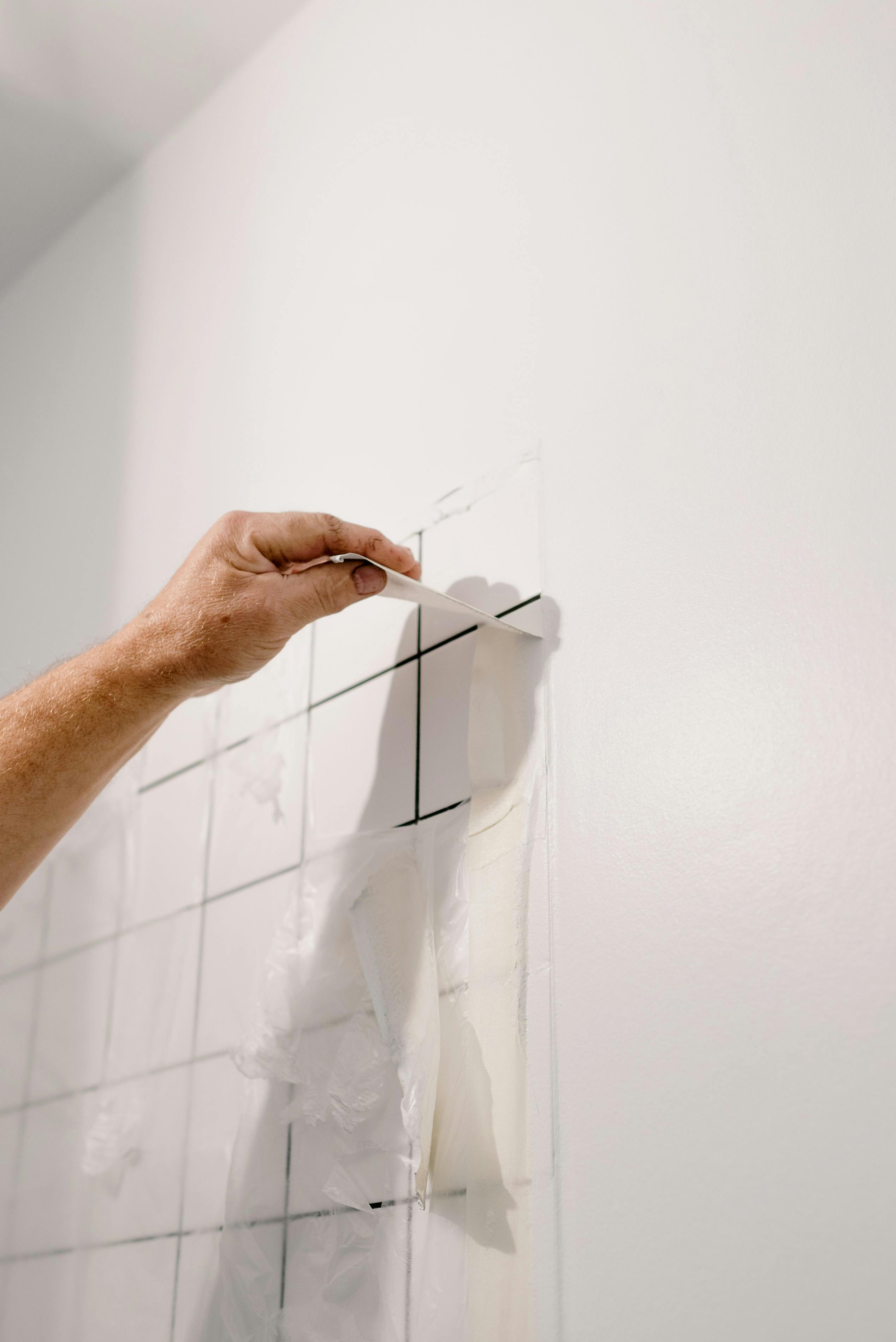
Illustrative photograph: smoothing render on a wall before new finishes
WHY THIS STAGE MATTERS
Most renovation problems are hidden under the surface
One of the biggest lessons from around 15 years of residential renovation work is simple: a good renovation depends on what happens before the final finishes are installed. A wall that isn’t flat, a floor with a dip or a patch of loose render will show up later as uneven tile edges, cracked grout or flooring that moves underfoot.
Surface preparation is the part of the job most homeowners never see once the room is finished. That’s why we explain it before the work starts: what we found, why we recommend a particular approach and what problems may affect the renovation.
Because Ivan inspects the property and also does the preparation, tiling and flooring, the same person who checks the surface is responsible for what goes on top of it.
15
YEARS OF RESIDENTIAL RENOVATION EXPERIENCE (APPROX.)
1,000+
COMPLETED RENOVATION, REPAIR AND HOME IMPROVEMENT PROJECTS
01
Flat and level
We check walls and floors with a straightedge and level, looking for humps, dips and falls that would show through tiles or flooring.
02
Sound and solid
Loose render, drummy tiles, cracked sheeting or a floor that flexes need attention before anything is fixed to them.
03
Signs of moisture
Staining, swelling or soft spots, especially in bathrooms and laundries, can point to a problem that has to be dealt with first.
04
Old finishes
Existing tiles, adhesive and floor coverings are assessed to decide whether they come off or whether the surface beneath can be prepared as it is.

HOW THE GROUNDWORK IS DONE
Strip back, repair, level, then set out
The scope of preparation, the materials and the method all depend on the property’s condition and what the assessment finds. No two rooms need exactly the same work.
Strip back to what's sound
Where old tiles, adhesive or coverings would compromise the new finish, they’re removed carefully, with the rest of your home protected.
Repair what's damaged
Cracks, loose patches and damaged areas are made good so the new finish is fixed to something solid.
Level and flatten
Floors and walls are brought flat and true, so tiles sit evenly and flooring has a stable base.
Set out the layout
A reference line is marked before the first tile, so cuts land in sensible places. More on this in what happens before the first tile goes down.
WHEN THE SURFACE HOLDS SURPRISES
Concealed damage can change the scope
Some problems only show once old tiles or coverings come off. If concealed damage turns up, or the agreed scope needs to change, we stop and talk it through with you before going further, explaining what we found and what it means for the work.
Where preparation touches plumbing or electrical work, that work is carried out by appropriately licensed tradespeople, coordinated as part of the renovation. Architectural and engineering services aren’t part of what we offer. See working with licensed tradespeople and concealed damage and changes to scope.
WHERE PREPARATION LEADS
Start with a few photos
Send a text to 0413 142 055 describing the work, ideally with some clear photos or a short video of the wall or floor. Ivan reviews every enquiry himself. A free site inspection and quote follows, so the preparation can be assessed in person. You can also use the enquiry form. Tips are in how to send photos for a renovation quote.