RENOVATION GUIDE · QUOTES AND SCOPE
Concealed damage and changes to scope: what happens when the old tiles come off.
A site inspection tells you a lot about a bathroom, kitchen or laundry, but not everything. Some problems sit behind tiles, under floor coverings or inside a wall, and you only see them once the old finishes are removed. This guide explains why that happens, how it can affect the work, and how we talk through any change to the agreed scope with you before going ahead.
1 · WHY IT STAYS HIDDEN
Most renovation problems are under the surface
Tiles, grout and floor coverings are designed to hide what’s beneath them. That’s their job. It also means the condition of the wall or floor behind them can’t be fully confirmed by looking, tapping or measuring from the outside.
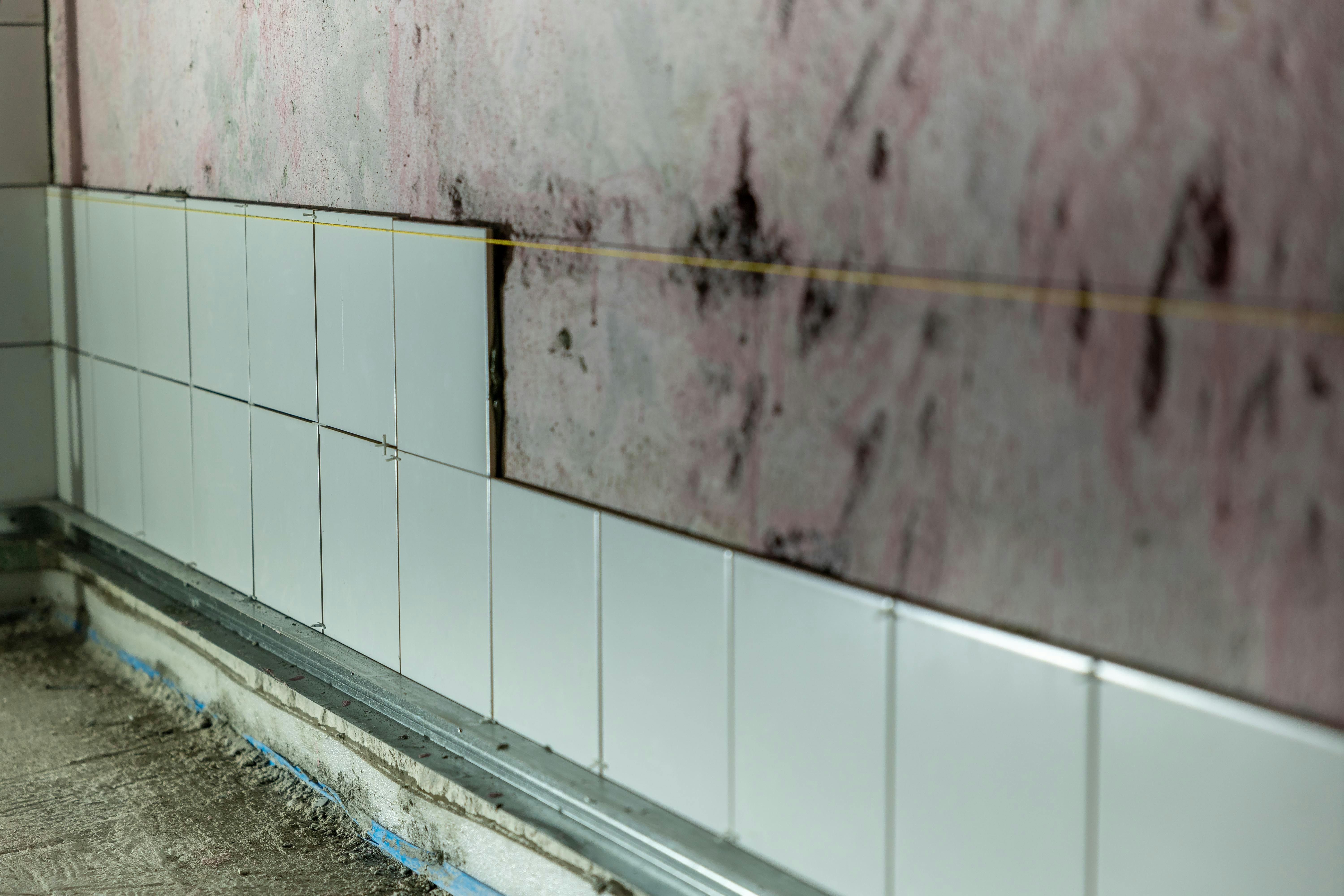
During an inspection, Ivan checks what he can see and points out anything that suggests a deeper problem, such as cracked or drummy tiles, staining, soft spots or uneven floors. He’ll explain what those signs might mean. But some damage only shows up once the old finishes are off and the surface underneath is exposed.
After around 15 years of residential renovation work, one lesson keeps coming back: a good renovation depends on what happens before the final finishes go in. If what’s underneath isn’t sound, new tiles laid over it won’t stay sound either.
WHAT CAN SIT BEHIND OLD FINISHES
— Moisture damage to the wall or floor underneath
— Loose, crumbling or poorly bonded substrate
— Floors that are further out of level than they looked
— Earlier repairs that weren’t done properly
— Pipework or wiring issues needing a licensed tradesperson
Illustrative photograph
2 · WHAT IT CAN CHANGE
Why a quote can't settle everything in advance
A quote is based on what’s visible and agreed at the time of the free site inspection. The right scope of work, materials and methods always depend on the property’s condition and what the assessment finds. When concealed damage turns up, it may affect the work. It could mean extra surface preparation, replacing a damaged section, or bringing in another trade.
If the problem involves plumbing or electrical work, Ivan doesn’t carry that out himself. We coordinate with appropriately licensed tradespeople. Structural or engineering questions are outside our services, so we’ll say so plainly if a specialist needs to look at something.
Concealed damage can add to the cost, and no quote can rule that out in advance. If something is found, we’ll explain it to you clearly and talk it through before going further.
3 · IF SOMETHING TURNS UP
How we talk it through
When concealed damage shows up once the old finishes come off, these are the four steps we follow before any change to the agreed scope goes ahead.
Step 1
Stop and show you
Work on the affected area pauses. Ivan shows you what’s been found, in person or with photos if you’re not home.
Step 2
Explain why it matters
You hear what the problem is, what happens if it’s left alone and why a particular fix is recommended.
Step 3
Talk through the options
Where there’s more than one reasonable approach, we go through them with you, including any licensed trades involved.
Step 4
Agree before going ahead
The change to the scope is discussed and agreed with you first. The work continues once you’re comfortable with it.
4 · WHAT HELPS FROM YOUR SIDE
Fewer surprises start with the first conversation
✓ Mention any leaks, damp smells or past repairs you know about, even small ones.
✓ Send clear photos of cracked tiles, stained grout or soft spots. Here’s how to take useful ones.
✓ Ask at the inspection which parts of the quote depend on what’s found underneath.
✓ Planning a bathroom? Read where to start first.